Innovative Solutions for Challenging Terrains: The Rise of Hybrid Excavation Techniques Apr 14, 2026
The excavation field has traditionally relied on standard equipment and straightforward methods. However, as infrastructure demands grow and vacant land becomes scarcer, the ability to efficiently work in less-than-ideal environments is paramount. Hybrid excavation techniques blend traditional approaches with state-of-the-art technology to tackle these challenges head-on. By integrating advanced machinery, smart automation, and data analytics, Excavation Innovations is setting new standards in handling complex sites.
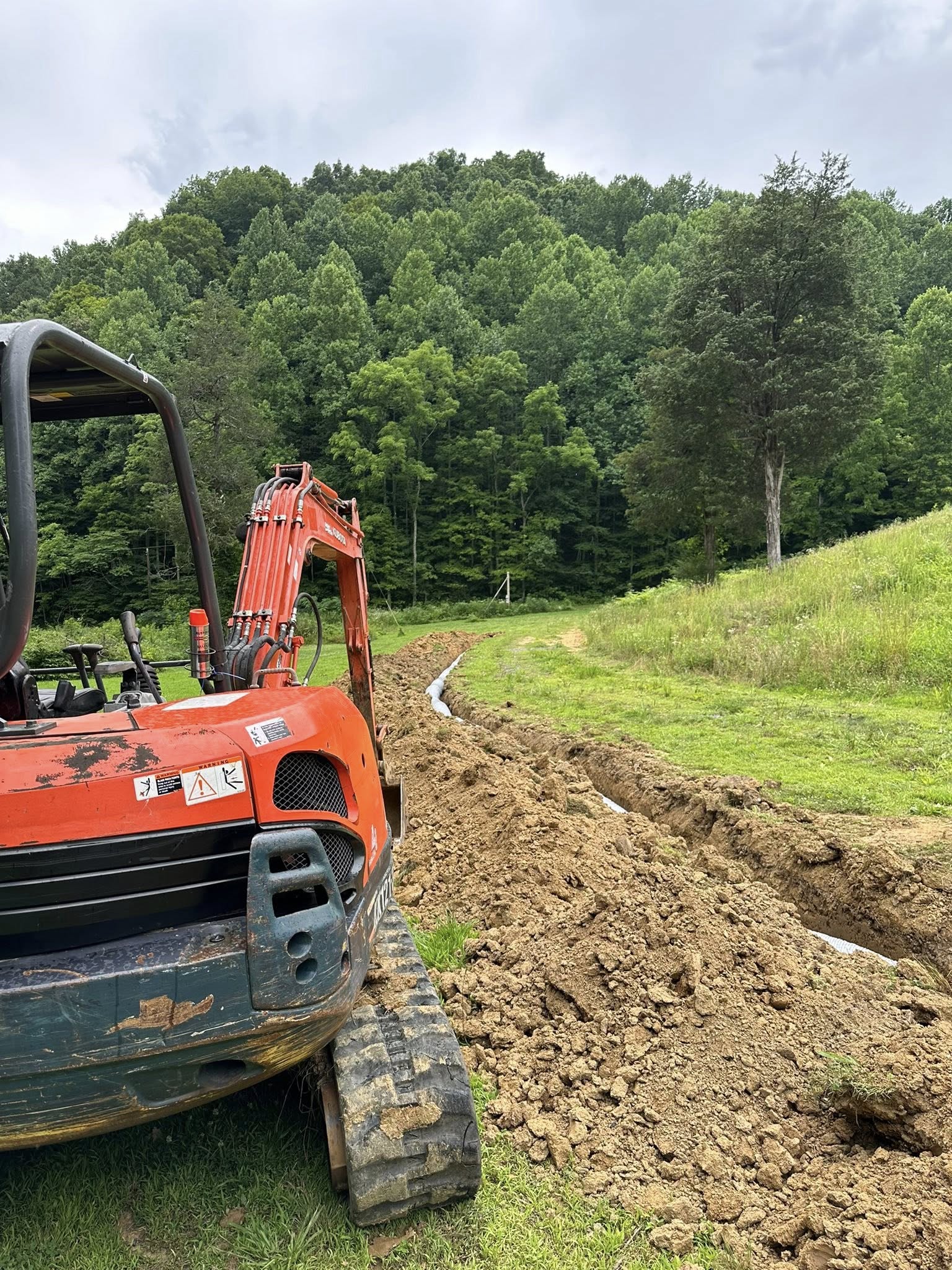
One of the prominent elements of hybrid excavation is the use of specialized machinery designed for specific conditions. For instance, custom-built equipment can navigate steep hills or dense urban landscapes without disturbing surrounding structures or natural habitats. These machines are often equipped with GPS and other sensor technologies, which enhance precision and reduce the risk of human error. This precision is invaluable when working near sensitive areas or existing infrastructure, minimizing disruption and ensuring a safer working environment.
Another key aspect of hybrid techniques is the use of remote-controlled systems. These systems allow operators to manage equipment from a distance, eliminating the need for personnel to be on-site in potentially dangerous situations. This not only improves safety but also allows for work to continue in extreme weather conditions, where human presence might be untenable. The result is an increase in productivity and a decrease in downtime, both of which are critical to keeping projects on schedule and within budget.
Environmental considerations are becoming increasingly important in excavation projects. Hybrid techniques prioritize sustainability by incorporating methods that reduce the carbon footprint of operations. This includes the use of energy-efficient machinery and techniques that minimize soil displacement and erosion. By adopting such practices, Excavation Innovations supports the broader movement towards greener construction practices, appealing to environmentally conscious clients and stakeholders.
Moreover, the integration of data analytics plays a crucial role in the planning and execution of excavation projects. By analyzing topographical, geological, and environmental data, companies can better anticipate potential challenges and optimize their approach accordingly. This proactive use of data helps in crafting strategies that are cost-effective and time-efficient, further enhancing the appeal of hybrid techniques to developers and contractors alike.
In conclusion, hybrid excavation techniques represent a significant step forward for the construction and excavation industry. By marrying traditional wisdom with modern technology, companies like Excavation Innovations are overcoming the hurdles associated with challenging terrains. These methods provide a tangible return on investment through improved safety, efficiency, and environmental responsibility. As the demand for infrastructure modernization grows, embracing these innovative solutions will be key to successfully navigating the complexities of future projects. Whether you're a contractor, developer, or project manager, understanding and incorporating hybrid excavation techniques could be the difference between project success and failure in today's rapidly evolving construction landscape.
/filters:no_upscale()/filters:format(webp)/media/14f0206d-8400-418b-9440-502974c65edd.jpeg)
/filters:no_upscale()/filters:format(webp)/media/7dc9553e-bef3-4839-b58c-c612218e67ef.jpeg)