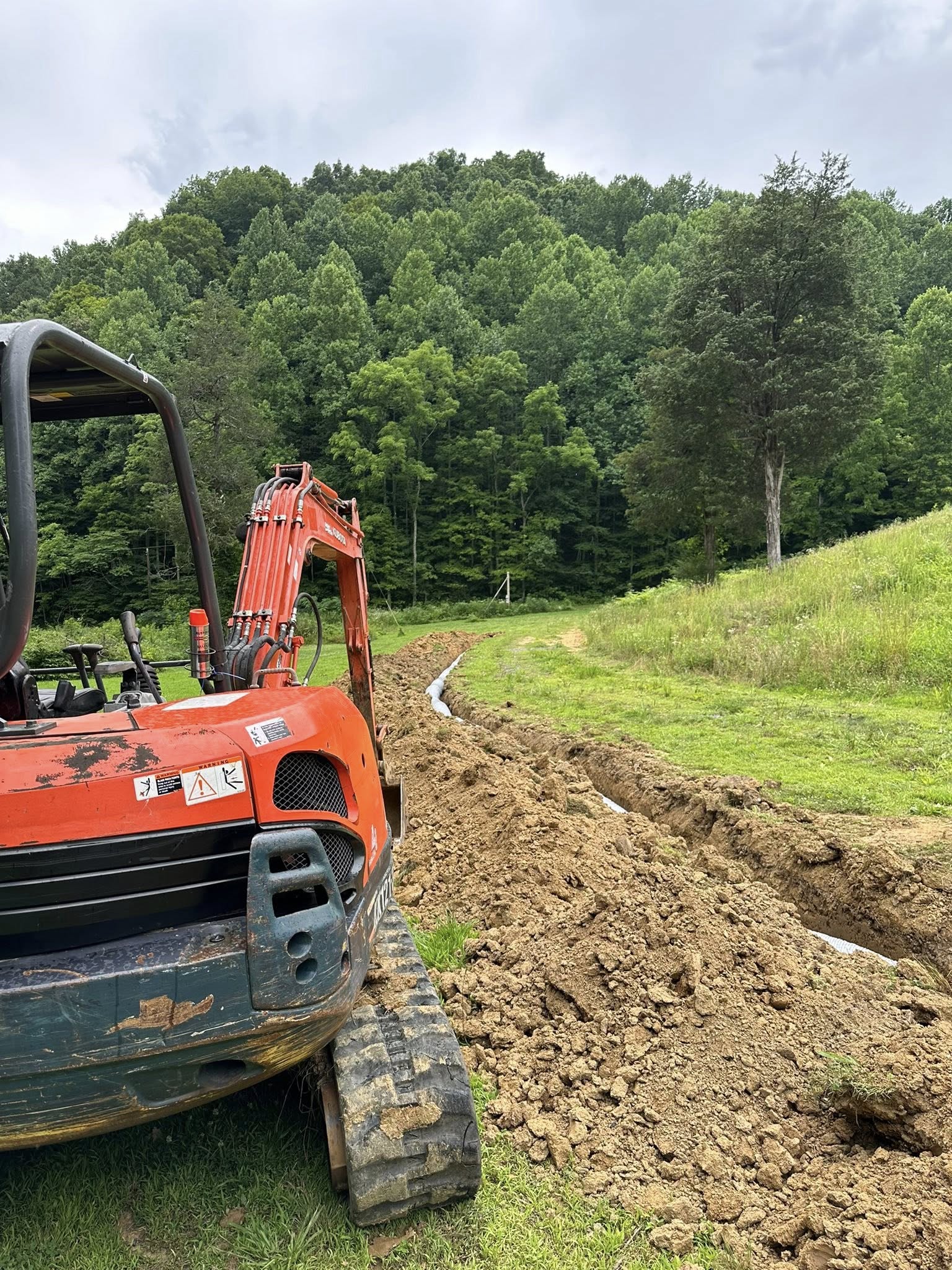
Evolving Earthworks: The Role of 3D Printing in Modern Excavation Dec 22, 2025
The journey begins with understanding the basics: 3D printing, often known as additive manufacturing, involves creating three-dimensional objects by layering materials based on digital models. While this technology has been around for some time, its integration into excavation projects is gaining momentum thanks to recent advancements. The reasons are clear—3D printing offers exceptional precision, versatility, and cost-effectiveness, making it a valuable asset for excavation firms.
One of the most intriguing applications of 3D printing in excavation is the creation of complex models that offer detailed insights into the topography of a project site. These models help excavators visualize the terrain, identify potential challenges, and plan more efficiently. By printing accurate site models, companies like Excavation Innovations can preemptively address issues that could lead to costly delays or miscalculations, thereby enhancing productivity.
Moreover, 3D printing is playing a pivotal role in fabricating customized excavation tools and components. Traditional manufacturing methods often involve lengthy timelines and significant expenses. In contrast, 3D printing allows for rapid prototyping and production of bespoke equipment tailored to specific project needs. This flexibility in tool and component creation means that adaptations can be made swiftly, reducing downtime and increasing operational efficiency.
Another remarkable benefit of 3D printing in excavation is its potential to minimize environmental impact. Conventional manufacturing processes typically generate substantial waste. However, 3D printing is inherently more sustainable as it uses only the material necessary for each creation, thus reducing excess waste. This aligns with the growing demand for eco-friendly practices within the construction and excavation sectors.
Furthermore, safety, always a top priority in excavation, can be significantly improved with 3D printing technology. By employing additive manufacturing techniques, firms can design safety equipment and barriers tailored to the unique conditions of different sites. These custom solutions enhance worker safety, ensuring that teams can perform their tasks with reduced risk of injury.
As the excavation industry continues to embrace these advancements, it's essential for companies to stay informed and adaptable. 3D printing not only provides a competitive edge but also supports sustainable growth and innovation in earthworks. The future of excavation will undoubtedly see a greater integration of this technology, leading to more streamlined operations and improved project outcomes.
In conclusion, 3D printing is a game-changer in the realm of excavation, offering unprecedented opportunities for efficiency, precision, and sustainability. As these technologies continue to advance, companies like Excavation Innovations are poised to harness their full potential, driving the industry forward into a new era of construction and excavation excellence. By adopting 3D printing, excavation firms can achieve a more sustainable, safe, and efficient way of conducting earthwork projects, ensuring they meet the demands of today while preparing for the challenges of tomorrow.
/filters:no_upscale()/filters:format(webp)/media/14f0206d-8400-418b-9440-502974c65edd.jpeg)
/filters:no_upscale()/filters:format(webp)/media/7dc9553e-bef3-4839-b58c-c612218e67ef.jpeg)