Eco-Excavation: Implementing Green Practices in Urban Earthmoving Projects Dec 13, 2025
Excavation, at its core, involves the removal of soil or rock from a site. However, traditional methods often lead to significant disruption to local environments, contributing to pollution and waste. Implementing green practices in urban earthmoving can mitigate these concerns. By adopting eco-excavation techniques, construction projects can reduce their carbon footprint and promote sustainability.
One of the primary strategies in eco-excavation is the careful planning of excavation processes. This involves detailed analysis and site assessment to minimize soil displacement and prevent unnecessary excavation. By using advanced technology for site mapping and analysis, companies like Excavation Innovations can enhance the precision of their operations. This careful assessment helps in preserving existing landscapes and reduces damage to the surrounding environment.
Furthermore, the integration of eco-friendly machinery plays a significant role in modern excavation practices. Utilizing hybrid or electric-powered excavation equipment significantly reduces emissions compared to conventional diesel-powered machines. These innovative technologies not only decrease pollution but also improve operational efficiency by reducing fuel costs and maintenance needs.
Green materials and recycling also form a crucial component of sustainable excavation. Instead of disposing of excavation debris in landfills, companies are increasingly opting to recycle and repurpose materials. Excavated soil can be reused for landscaping, filling, or leveling, while other construction waste can be recycled into new materials. This approach not only decreases waste output but also reduces the demand for virgin materials, thereby conserving natural resources.
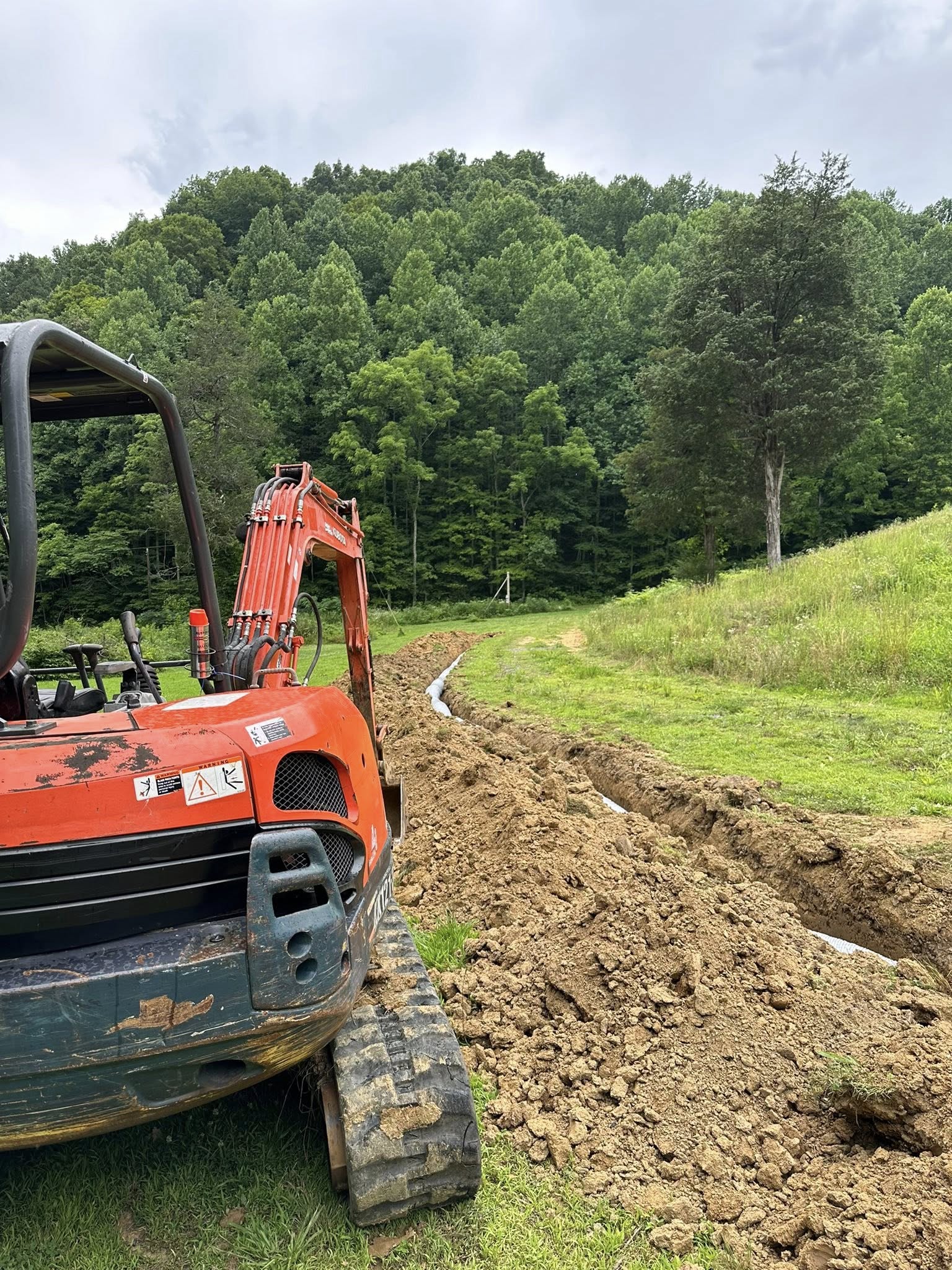
Water management is another critical aspect of eco-excavation. Urban projects often encounter challenges related to water runoff and contamination. Implementing efficient drainage systems and erosion control measures helps in maintaining water quality and minimizing the impact on local water bodies. Excavation Innovations emphasizes on using permeable materials and sustainable urban drainage systems to mitigate water-related issues effectively.
Moreover, green excavation is closely linked to regulatory compliance and community impact. By following eco-friendly practices, excavation companies can meet stringent environmental regulations and gain community support. Projects that demonstrate a commitment to sustainability are more likely to receive public approval and less likely to face delays due to stakeholder opposition.
In conclusion, the shift towards eco-excavation in urban earthmoving projects is more than just a trend; it’s a vital progression for sustainable development. Companies like Excavation Innovations are leading the charge by implementing innovative technologies and strategies that prioritize environmental health alongside construction goals. As urban areas continue to expand, the importance of green practices cannot be overstated. By choosing eco-friendly contractors and supporting sustainable projects, we can collectively contribute to a healthier and more sustainable urban future.
/filters:no_upscale()/filters:format(webp)/media/14f0206d-8400-418b-9440-502974c65edd.jpeg)
/filters:no_upscale()/filters:format(webp)/media/7dc9553e-bef3-4839-b58c-c612218e67ef.jpeg)