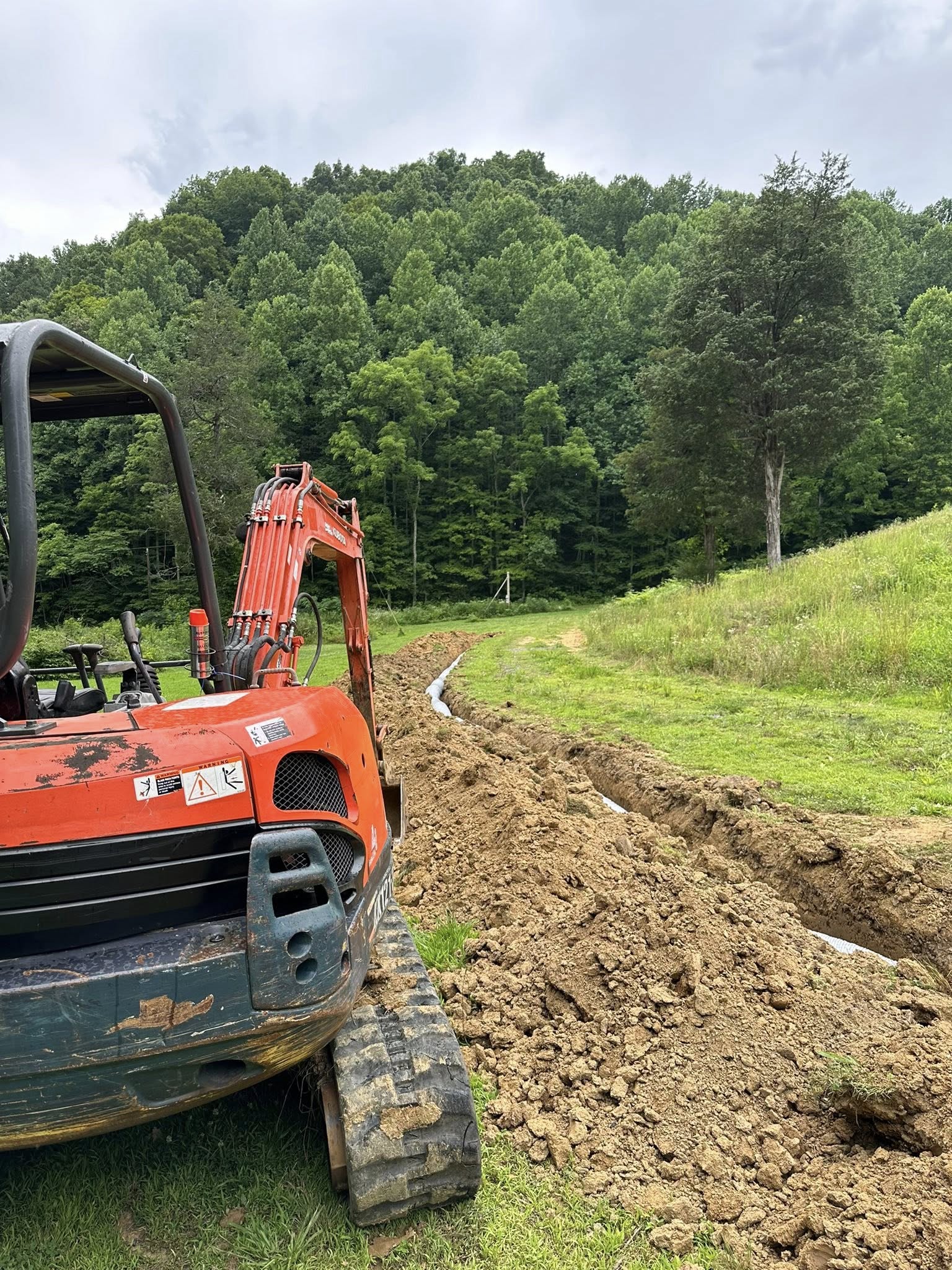
Digging into Data: How Big Data is Transforming Excavation Strategies Dec 23, 2025
At its core, big data in excavation involves collecting and analyzing vast amounts of information to make informed decisions. This is where Excavation Innovations leads the charge by integrating data-driven methodologies into their projects. The process begins with gathering data from diverse sources such as GPS, drones, sensors, and software analytics. This comprehensive data collection enables a more detailed understanding of the landscapes and environments in which excavation takes place, significantly improving project outcomes.
One of the key benefits of big data in excavation is enhanced project planning. Traditional methods relied heavily on manual measurements and human observation, which could be prone to errors. With big data, excavation companies can access accurate and real-time information, allowing for precise mapping of sites. By analyzing historical data alongside current terrain conditions, Excavation Innovations can anticipate potential obstacles, optimize routes, and better allocate resources, leading to substantial cost savings and increased efficiency.
Moreover, safety is paramount in the excavation industry, and big data plays a crucial role in enhancing worker safety. By utilizing predictive analytics, Excavation Innovations can identify risk factors and implement preventative measures before hazardous situations arise. Data-driven safety protocols help protect the workforce, reduce accidents, and create a safer work environment. For instance, equipment can be monitored in real-time, detecting irregularities that might signal potential malfunctions or unsafe operating conditions.
In addition to safety and planning, big data also facilitates environmental sustainability in excavation projects. As environmental regulations become more stringent, companies like Excavation Innovations use data to minimize environmental impact. By analyzing ecological data, excavation strategies can be aligned with sustainability goals, such as reducing emissions, minimizing land disturbance, and protecting natural habitats. This not only meets regulatory requirements but also appeals to environmentally conscious clients seeking green construction solutions.
With the integration of big data, customer satisfaction levels have soared. Real-time tracking and updates allow clients to stay informed about project progress, building trust and transparency between excavation companies and their clients. This level of communication ensures clients feel involved and assured that their projects are on track, which in turn can lead to repeat business and positive referrals.
The challenges of adopting big data are not to be underestimated, involving significant investment in technology and training. However, the long-term benefits outweigh the initial costs. Excavation Innovations ensures its team is equipped with the skills necessary to leverage big data, positioning the company at the forefront of the excavation industry.
In conclusion, the role of big data in transforming excavation strategies is undeniable. As technology continues to evolve, Excavation Innovations is committed to embracing data-driven solutions to deliver exceptional service, prioritize safety, and contribute to sustainable development. For businesses looking to stay ahead in the competitive excavation industry, digging into data is not just a strategy—it's a necessity.
/filters:no_upscale()/filters:format(webp)/media/14f0206d-8400-418b-9440-502974c65edd.jpeg)
/filters:no_upscale()/filters:format(webp)/media/7dc9553e-bef3-4839-b58c-c612218e67ef.jpeg)