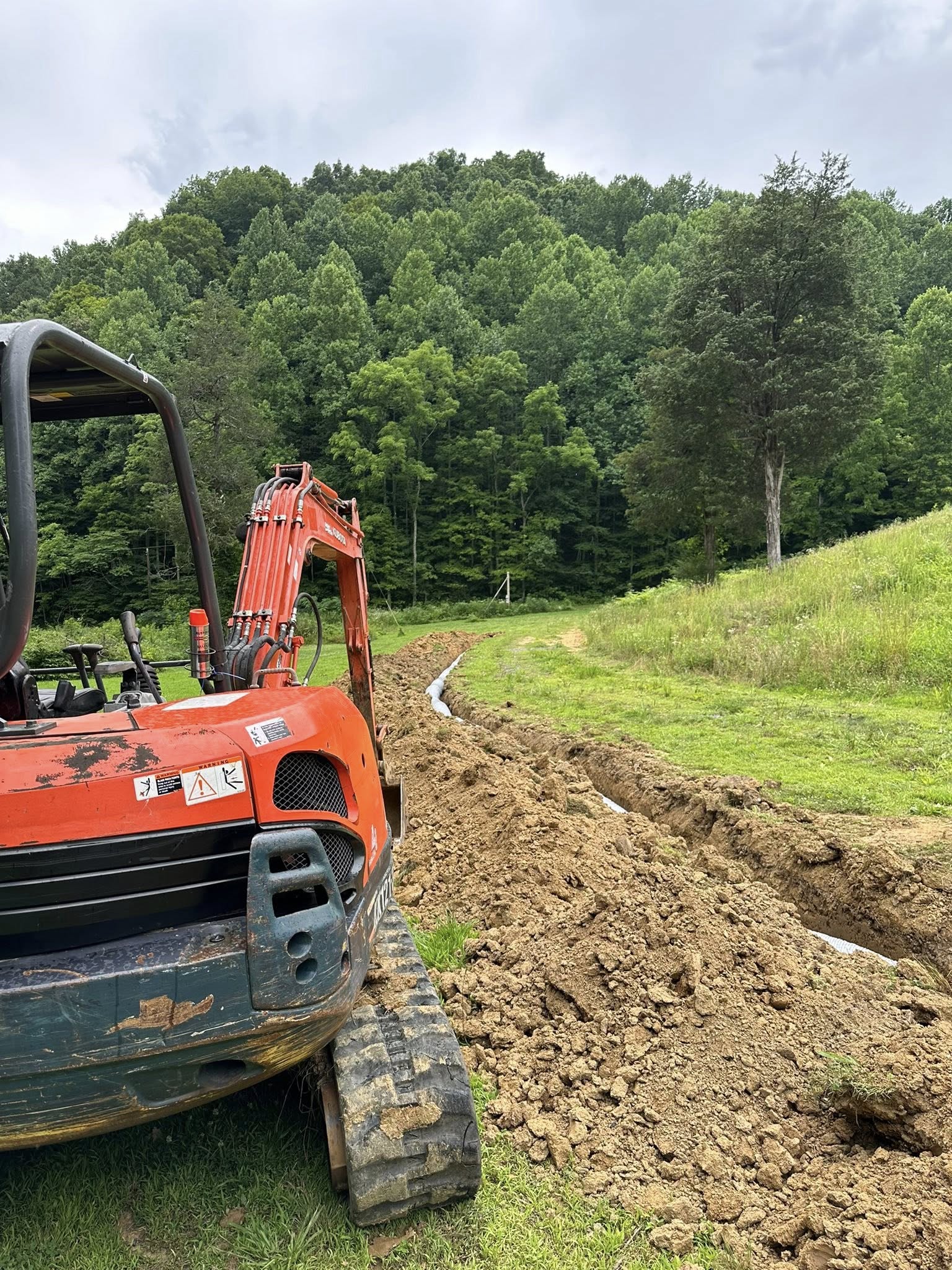
Digging Deeper: The Role of Advanced Analytics in Excavation Planning Dec 04, 2025
As the demand for smarter, more efficient construction practices grows, understanding the role of advanced analytics in excavation planning is crucial. At its core, advanced analytics in excavation refers to the use of sophisticated data analysis techniques to predict outcomes, optimize processes, and enhance decision-making. By leveraging big data, machine learning, and predictive analysis, excavation companies can significantly improve the precision of their operations.
One of the primary benefits of using advanced analytics in excavation is the ability to conduct thorough site evaluations long before breaking ground. Using geographical data and predictive models, Excavation Innovations can assess potential issues like soil stability, water tables, and underground utilities. This pre-emptive insight allows for more accurate planning, reducing the risk of unexpected challenges that could delay projects or increase costs.
Moreover, advanced analytics facilitate real-time monitoring throughout the excavation process. For example, sensor data can be collected and analyzed to monitor equipment performance and site conditions. This continuous flow of information enables quick adjustments to be made, ensuring that excavation operations remain on schedule and within budget. Real-time data analytics also enhance safety by identifying hazardous conditions that could lead to accidents, allowing for immediate corrective actions.
Another critical aspect where advanced analytics play a significant role is in resource management. Efficient resource allocation is essential to keep costs in check and minimize environmental impact. By analyzing historical data and predictive models, Excavation Innovations can optimize the use of materials, machinery, and manpower, leading to more cost-effective and sustainable operations.
Furthermore, advanced analytics contribute to improved collaboration and communication across all stakeholders involved in excavation projects. By providing a centralized platform where data is accessible and understandable, everyone from project managers to site workers can stay informed and aligned with project goals. For instance, digital tools that visualize excavation plans can help stakeholders understand the project's progress and any adjustments needed, ensuring a cohesive approach to project execution.
While the integration of advanced analytics into excavation planning offers numerous benefits, it is essential to acknowledge the challenges that come with it. The accuracy of predictive models depends heavily on the quality of data being analyzed. Therefore, it is crucial for excavation companies to invest in robust data collection systems and ensure consistent data quality management.
To sum up, the role of advanced analytics in excavation planning cannot be overstated. With the adoption of these cutting-edge technologies, companies like Excavation Innovations can achieve unprecedented levels of precision and efficiency. As the construction industry continues to embrace digital transformation, the importance of advanced analytics will only grow, paving the way for more innovative and sustainable excavation practices.
By employing advanced analytics, excavation companies not only enhance their operational capabilities but also contribute to a future where construction practices are safer, more efficient, and environmentally responsible. As this trend continues to expand, staying at the forefront of technological advancements will be pivotal for any company aiming to lead in the modern excavation industry.
/filters:no_upscale()/filters:format(webp)/media/14f0206d-8400-418b-9440-502974c65edd.jpeg)
/filters:no_upscale()/filters:format(webp)/media/7dc9553e-bef3-4839-b58c-c612218e67ef.jpeg)