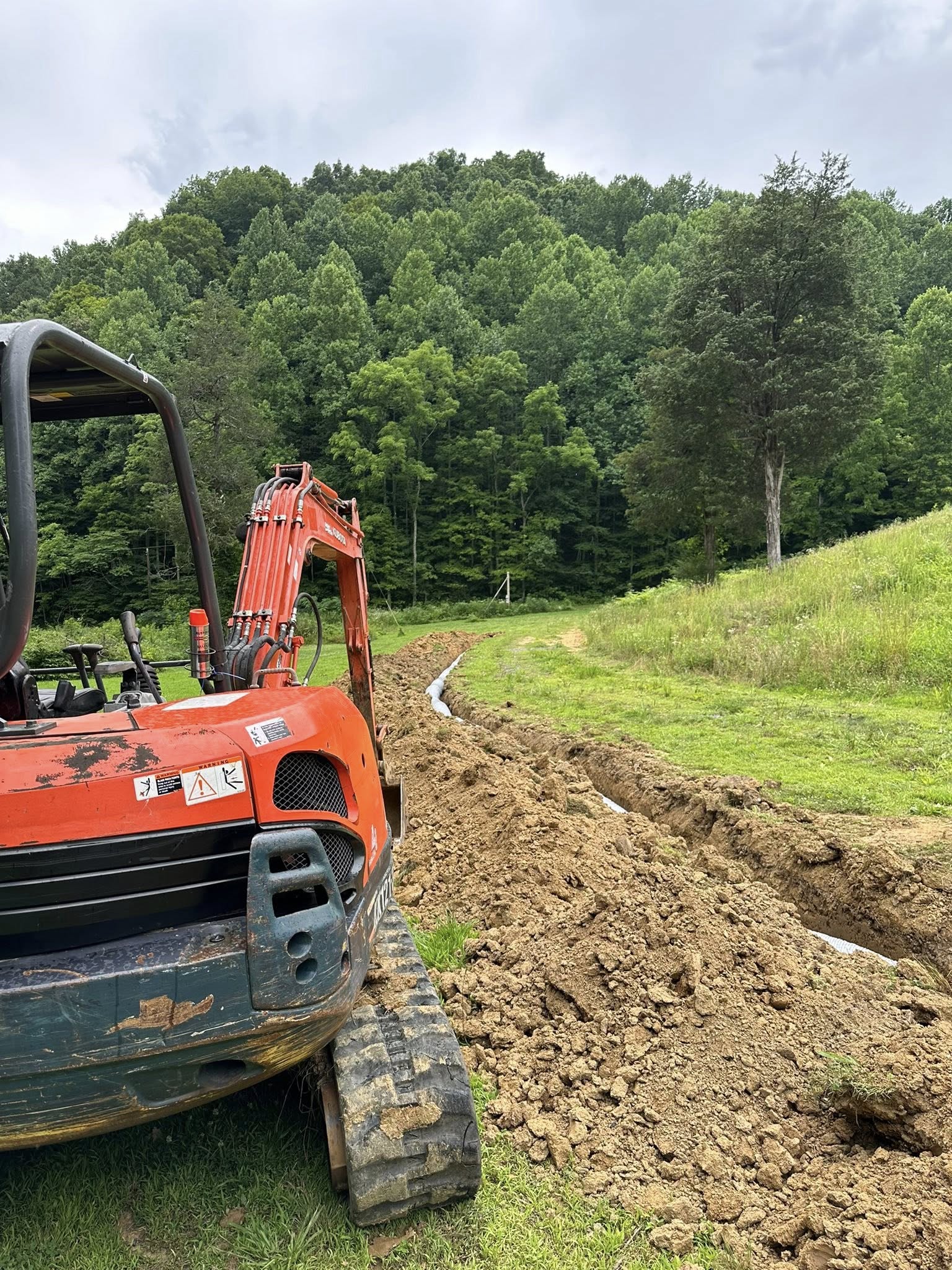
Breaking Ground: The Intersection of Virtual Reality and Excavation Planning Dec 08, 2025
Virtual reality has evolved beyond its early roots in gaming to find applications in various industries, including construction and excavation. By simulating real-world scenarios in a controlled digital environment, VR enables teams to visualize and plan complex excavation projects before breaking ground. This capability is not merely futuristic but practical, offering tangible benefits that redefine how excavation projects are planned and executed.
One of the primary advantages of using VR in excavation planning is improved accuracy. Traditionally, excavation plans rely heavily on blueprints and 2D models, which can lead to misinterpretations or oversights. However, VR provides a three-dimensional, interactive model of the project site. This allows engineers, architects, and project managers to walk through the site virtually, identify potential challenges, and make necessary adjustments before the actual work begins. This level of detail helps in minimizing errors, ensuring that the project stays on course and within budget.
Safety is another crucial benefit that VR brings to excavation planning. Construction sites can be hazardous environments, with a significant portion of incidents related to unforeseen ground conditions or human error. By simulating these environments in a virtual setting, teams can practice and plan for various scenarios, helping to anticipate risks and train personnel in a safe and controlled manner. This proactive approach not only reduces the likelihood of accidents but also enhances the overall safety culture within a company like Excavation Innovations.
Furthermore, VR enhances communication and collaboration among project stakeholders. Construction projects typically involve a diverse range of professionals, each with their own set of expertise. Virtual reality brings these professionals together in a unified digital space, facilitating better communication and understanding. By visualizing the project from different perspectives, stakeholders can discuss ideas, address concerns, and make collaborative decisions more effectively. This leads to a more cohesive team effort and a higher likelihood of project success.
The cost-effectiveness of VR in excavation planning should not be overlooked. While the initial investment in VR technology might seem significant, the long-term savings are substantial. By reducing errors, improving safety, and enhancing collaboration, VR helps prevent costly delays and rework. For companies like Excavation Innovations, this means more efficient project delivery and increased client satisfaction.
In conclusion, as the industry continues to evolve, embracing digital tools such as virtual reality becomes imperative. For Excavation Innovations and other forward-thinking companies, integrating VR into excavation planning is a strategic move that offers numerous advantages. By improving accuracy, safety, and collaboration, VR not only enhances the quality of projects but also positions companies to remain competitive in an ever-changing market.
As technology advances, the gap between innovative digital solutions and traditional excavation methods will continue to narrow. Companies that harness the power of technology will lead the way, setting new standards for excellence and efficiency in the industry. With virtual reality firmly in the spotlight, the future of excavation planning is indeed promising.
/filters:no_upscale()/filters:format(webp)/media/14f0206d-8400-418b-9440-502974c65edd.jpeg)
/filters:no_upscale()/filters:format(webp)/media/7dc9553e-bef3-4839-b58c-c612218e67ef.jpeg)